
A death in hospital and a death at home can leave a family facing the same grief, but the first practical step is different. In hospital, the attending doctor normally handles certification. At home, the family usually needs to arrange for a doctor to attend. Once the death is certified online, the registration and funeral-planning steps largely come together. Knowing this difference can help you make the right first call without trying to settle every decision at once.
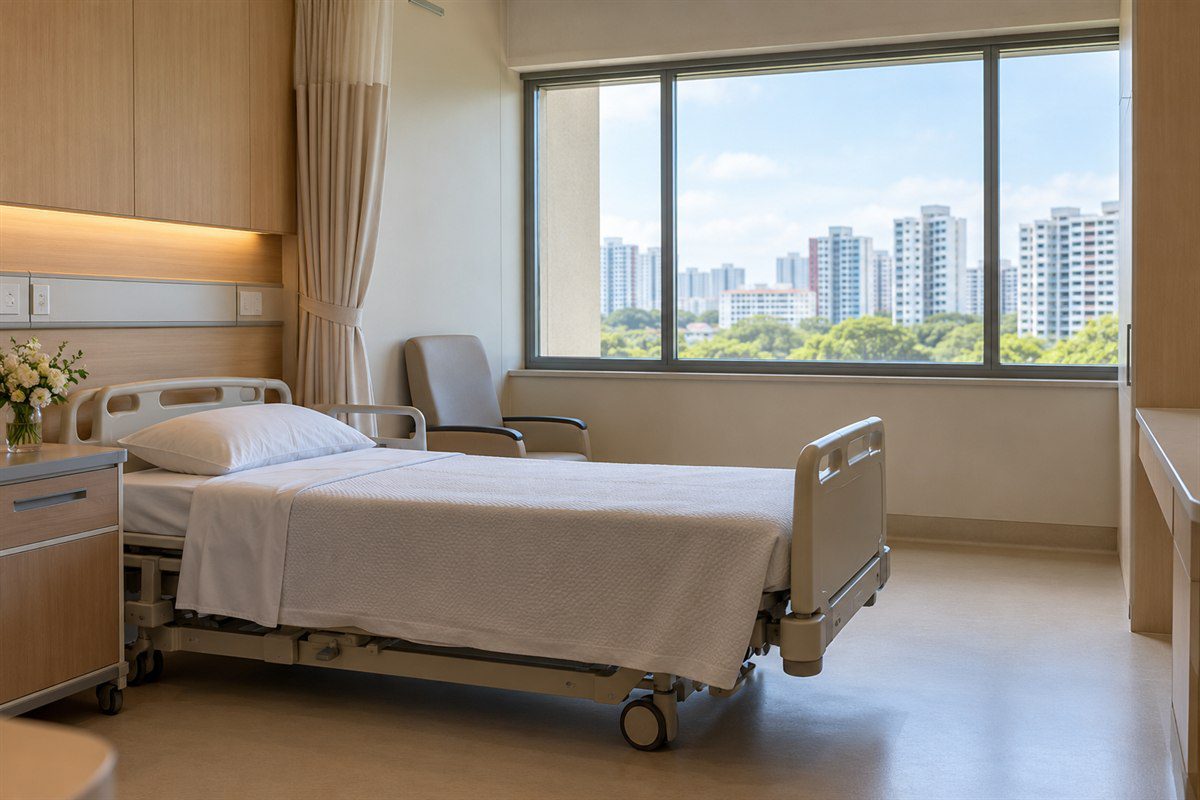
When a Death Happens in Hospital
The hospital team will guide the family through its immediate procedures. A doctor certifies the death and records the required particulars online. Staff can tell you what identification details are needed and provide the information required to download the digital death certificate. Ask whom to contact about the hospital mortuary and when your loved one can be released into a funeral director’s care.
There is no need to decide on the entire service at the bedside. One relative can take down the hospital contact details while another informs close family. If the person had expressed wishes about clothing, faith or a particular farewell, make a note of them so they are available when arrangements begin.
When a Death Happens at Home
At home, the family needs a doctor to examine the person and certify the death. If your loved one was receiving treatment for a known condition, contact the treating doctor or the care team first. If that doctor cannot attend, ask about another doctor who can make a house call. A funeral director can also explain the practical sequence, but medical certification remains the doctor’s responsibility.
If the death is unexpected or the cause cannot be established, the doctor may need to refer the matter to the police and coroner. Follow their directions rather than assuming the usual collection timetable applies. This can feel unsettling, but it is a separate process for establishing the cause of death, not a decision the family has to make alone.
While waiting for guidance, keep the deceased’s identification document and any relevant medical information close at hand. There is no need to organise the whole home or settle the wake venue immediately.
What Both Families Do After Certification
In Singapore, a death is automatically registered when a doctor certifies it online. The next-of-kin does not need to visit a counter to register it. The doctor or hospital supplies the details needed to download the digital death certificate from LifeSG. Save a copy within the 30-day download window, because it may be needed for funeral and later administrative arrangements.
A funeral director can then coordinate collection, care, transport and the service. The available funeral services may differ by location and family preferences, so explain where your loved one is, whether a hospital or coroner process is involved, and what you know about their wishes. The director can advise on the next practical steps and relevant permits.
If the Cause of Death Is Unclear
Not every death follows the routine path. Where a doctor cannot certify the cause, or the circumstances appear unnatural, the police may refer the case to the coroner. The family will be told what information to provide and when the body may be claimed. Avoid making firm promises about a wake or cremation date until the relevant team confirms the release arrangements.
It helps to keep one family contact person for updates. That person can relay verified information to relatives and the funeral director, reducing the chance of conflicting messages at an already difficult time.
Decisions That Can Wait Until the First Call Is Made
Once the immediate certification route is clear, the family can discuss the farewell itself. Consider the expected number of visitors, religious or cultural customs, budget and the time relatives may need to travel. Some families prefer a void-deck wake; others value the privacy and convenience of memorial halls. Neither choice is more respectful by default.
You can then compare funeral packages against the services your family actually needs. Ask which items are included, what would cost extra, and whether the venue and dates are available. A clear written breakdown is more useful than trying to choose every detail from memory during the first conversation.
Start With the Right First Call
For a hospital death, begin with the hospital team and the details for certification and release. For a death at home, begin by arranging a doctor’s attendance and follow any police or coroner instructions if the cause is uncertain.
After that, the same priorities apply: obtain the digital certificate, share the essential information with a funeral director and make one decision at a time. The family does not have to plan an entire farewell in the first hour.

Singapore Casket has supported families since 1920. For 24-hour guidance on funeral arrangements, call +65 6293 4388 or visit 131 Lavender Street, Singapore 338737.
